Nagpur
08042781488
+919112224290
Security / Sensors/ Anti-Theft / EAS Security System

Library Digitalization

Phone Number

08042781488

Please keep 0 before dialling the number.

Mon-Thu: 10 AM - 2 PM • Fri: 3 PM - 7AM

Other Website Visit our other website
Address 53 Karim Layout SBI Colony, Gopal Nagar 1st Bus Stop, Opp. Hanuman Mandir, -440022

Nagpur, India, 440022

Description

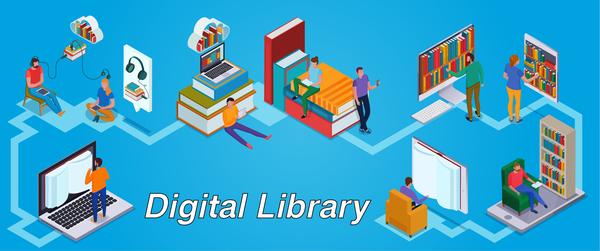
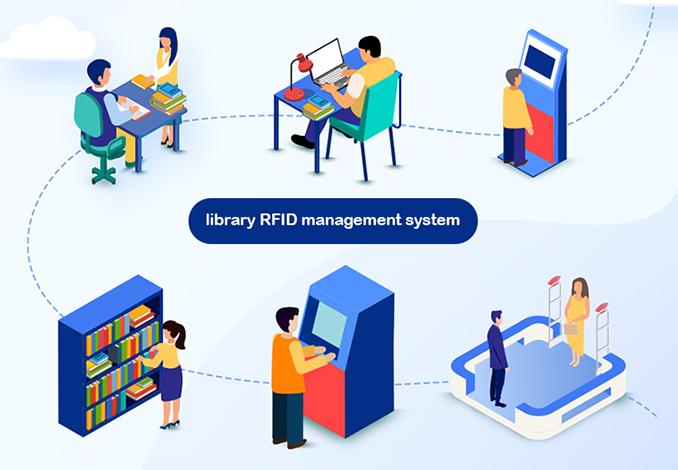
Library digitalization refers to the process of transforming traditional, paper-based library systems into modern, technology-driven environments by using digital tools and technologies. This transformation aims to improve accessibility, management, preservation, and user experience. In a digitalized library, physical resources such as books, journals, and documents are either supplemented or replaced by digital formats. Library services are automated through Library Management Systems (LMS), digital catalogs, online databases, RFID-based tracking, and cloud-based access. Digital Catalog (OPAC): Online searchable access to book and resource listings. E-Books and Journals: Access to digital versions of books and academic content. RFID/Barcode Systems: For automated check-in/check-out and inventory control. Self-Service Kiosks: Allow users to borrow/return books independently. Cloud Integration: For remote access to digital resources. Security Systems: Anti-theft gates and surveillance integrated with digital logs.

Keywords

Other Products

view all

6814772a5d263414004dd4a4 Card 2

product image
Software

Library Software is a digital solution designed to help libraries manage their day-to-day operations efficiently. It automates key functions such as cataloging, circulation, inventory, patron management, and reporting. Whether used in schools, colleges, public libraries, or research institutions, library software improves accessibility, reduces manual effort, and enhances the overall user experience. Modern library software often supports RFID integration, OPAC (Online Public Access Catalog), digital lending, and cloud-based access. Core Features: Catalog Management: Add, update, and organize books and media Circulation Control: Issue, return, renew, and reserve items Patron Management: Manage user accounts, fines, and history OPAC Access: Allow users to search the catalog online Reports & Analytics: Generate usage statistics and inventory reports RFID Integration (optional): For fast, contactless operations Cloud or On-premise Options Benefits: Streamlines library workflows Reduces human error and manual labor Enhances resource visibility and user access Enables digital transformation of library services

6814772a5d263414004dd4a4 Card 2

product image

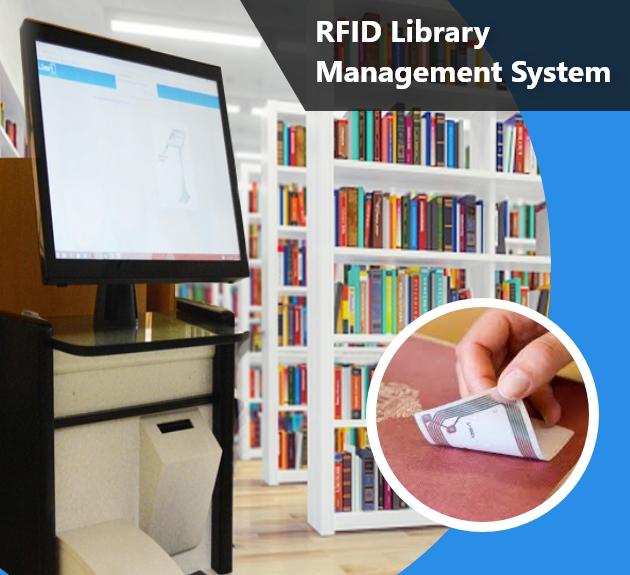
RFID Library Automation Software is a specialized application designed to integrate with RFID hardware (readers, tags, gates) and manage the core functions of a modern, automated library. This software enables seamless check-in/check-out of books, real-time inventory tracking, automated shelf management, and enhanced security. It works by linking RFID-tagged items with a Library Management System (LMS), allowing for contactless circulation, self-service kiosks, gate-based theft detection, and quick stock-taking. Key Features: RFID-enabled check-in/check-out Self-service kiosk integration Real-time inventory and shelf scanning Patron and item database management Automated overdue notifications and reports Integration with existing LMS (e.g., Koha, Sierra, LibSys)

6814772a5d263414004dd4a4 Card 2

product image
UHF RFID Reader and Tag

Ultra High Frequency (UHF) RFID systems offer long-range, high-speed identification for tracking and managing assets efficiently. A typical UHF RFID setup includes a UHF RFID reader and UHF RFID tags that communicate wirelessly over distances of up to 10 meters or more. UHF technology operates in the 860–960 MHz range and is ideal for applications requiring bulk reading, fast item processing, and long-range detection—such as in libraries, warehousing, logistics, and access control. UHF RFID Reader Features: Operating Frequency: 860–960 MHz (region-dependent) Reading Range: Up to 10 meters (depending on tag and environment) Interface: USB, RS232, Ethernet, or Wi-Fi Supports EPC Gen2 / ISO 18000-6C High-speed multiple tag reading (anti-collision) UHF RFID Tag Features: Long read range (up to 10+ meters) Memory: EPC (96–512 bits), User memory (up to 512 bits or more) Form Factors: Stickers, hard tags, labels, or on-metal tags Durable, weather-resistant versions available